
Learning Engineering FAQs
Learning engineering is an iterative process and practice that applies the learning sciences using human-centered design, systems engineering principles, and data-informed decision-making to support learners and their development. After understanding the challenge or problem to be solved, learning engineering teams engage in data-driven cycles of creation, implementation, and investigation.
QIP uses learning engineering to help organizations optimize the design, development, and delivery of learning experiences through data-informed, iterative improvement. We support our clients' adoption of learning engineering with guidance and project and change management to ensure successful transitions.
What is the purpose of learning engineering?
Learning engineering ensures continuous improvement through an iterative approach similar to Agile methodologies used in software development. Learning interventions are tested, data are collected, and the results are analyzed to inform subsequent iterations.
Multidisciplinary learning engineering teams use this process to understand and address the various conditions and contexts that impact learning and iteratively adjust those conditions for responsive, scalable, and continuously improved solutions.
How can learning engineering improve government and corporate training programs?
Learning engineering can help corporate and government training programs better align with business metrics, such as productivity, profitability, customer service, and risk reduction. It can help shift learning and development functions from compliance-oriented cost centers to mission-aligned services supporting the core business of the enterprise.
How can learning engineering benefit the learning process?
Learning engineering
- addresses the full range of factors that support or hinder learning;
- optimizes learning outcomes through data-driven insights;
- identifies and addresses systemic issues and opportunities for improvement;
- personalizes learning experiences, including removing unintentional bias and addressing cognitive and motivational learner variability; and
- facilitates cycles of continuous improvement and learning optimization using technology for scale.
How does learning engineering differ from instructional design?
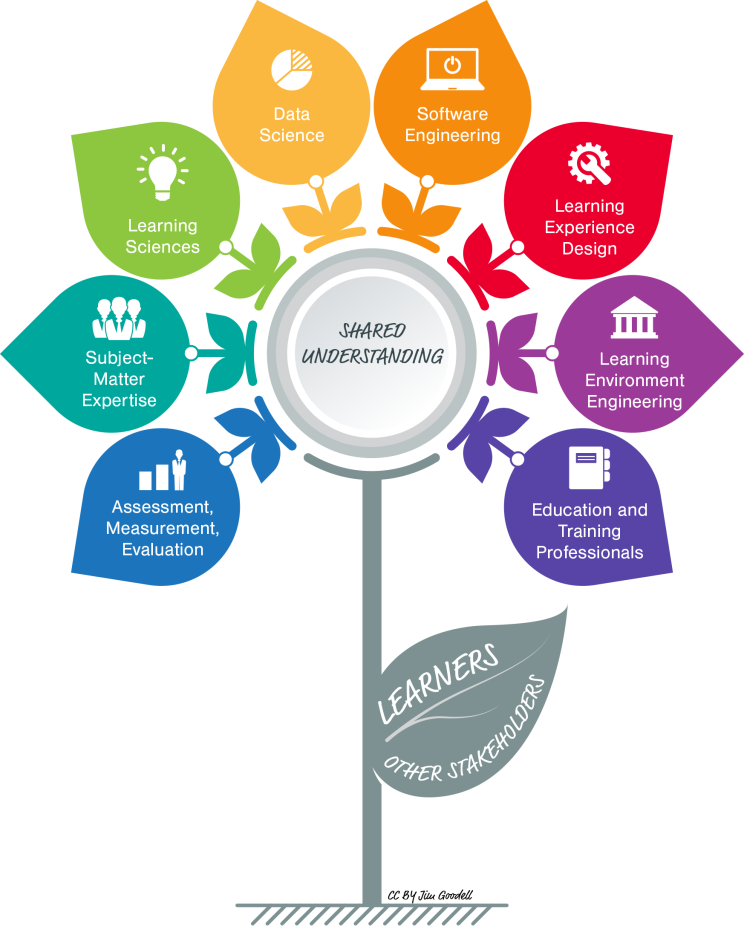
Instructional design tends to focus on learning experiences, such as developing courses and content. Learning engineering is broader, considering all factors that contribute to or hinder learning. It integrates the learning sciences, data instrumentation and analytics, system engineering and human-centered design principles, and iterative development.
What is the role of data in learning engineering?
Learning engineering teams analyze data from a variety of sources such as clickstream data from online activities, assessments, sensor data from learning environments, engagement metrics, and behavioral analytics to optimize learning experiences and conditions. Data supports adaptations that personalize learning and learning engineering decisions for iterative improvement of learning solutions.

What is the role of “engineering” in learning engineering?
Learning engineering takes a systems engineering mindset, considering effective learning as a closed loop control system, the learner as a central actor within that system, and learning solutions as systems of systems. Complexity in systems can be managed through modularization and cross-module interoperability supported by technical standards and pedagogical/andragogical design patterns.
Where can I learn more about learning engineering?
You can also contact The Industry Consortium on Innovation and Collaboration in Learning Engineering (IEEE ICICLE), which brings together professionals, academics, and industry experts to promote the advancement of learning engineering.
Learn more about QIP’s Learning Engineering focus area and how we can help your organization adopt learning engineering to optimize learning and development.
Look for future posts on the learning engineering process, the “engineering” in learning engineering, and data-informed learning optimization.


