Explore key considerations for choosing the right online training format, including learner needs, available resources, development timelines, audience size, and training requirements.
Learn how to transform written guides and resources into engaging online training by identifying learning objectives, prioritizing key concepts, and creating opportunities for practice and application.
This blog post is part of QIP’s Learning series. Check back each week for a new post exploring approaches, strategies, and lessons learned from QIP’s work in training, coaching, and course development. Stay up to date on QIP’s latest learning…
The Spirit of the Law vs. the Letter of the Law in Accessibility Work Conversations about accessibility and Section 508 compliance often focus on checklists, testing tools, and technical requirements—components that are required by law. They are the legal framework—the…
Why Data Literacy Matters: QIP’s Newest eLearning Course QIP recently released the first course in a series of online professional learning modules to help education professionals build data literacy skills and understand why data literacy matters in education. “Working With…
What is the “FERPA Block” in Postsecondary Data? You may have heard postsecondary data outcomes users discuss a “FERPA block” — when student information does not appear in data released from sources such as the National Student Clearinghouse (NSC), making…
Why Use Videos for Instruction Videos are an effective medium for instruction. They can be shared across multiple platforms and viewed by a global audience — needing only an internet connection. Viewers can watch videos at their own pace, on…
Supporting the Development of an Application Programming Interface (API) and Showcasing Its Use The U.S. Chamber of Commerce Foundation’s (USCCF’s) Jobs and Employment Data Exchange (JEDx) is a public-private, standards-based initiative to promote the consistent sharing and use of data…
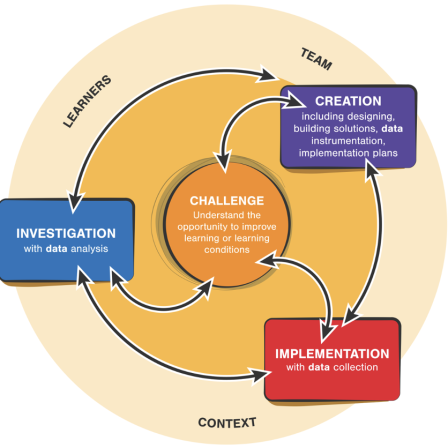
Learning Engineering FAQs Learning engineering is an iterative process and practice that applies the learning sciences using human-centered design, systems engineering principles, and data-informed decision-making to support learners and their development. After understanding the challenge or problem to be solved,…